What is an invasive haemodynamic study?
An invasive haemodynamic study, often called a right heart catheterisation, measures the pressures inside the chambers of your heart and in the arteries of your lungs, and how much blood your heart pumps each minute. A soft, thin tube is guided through a vein to the right side of the heart, and small sensors in it record these pressures directly. Symptoms and scans can only suggest what the pressures are; this test measures them accurately.
Why is it done?
It is used to find out why you are breathless or retaining fluid when the answer is not clear from other tests. It confirms or excludes raised pressure in the lung arteries (pulmonary hypertension) and shows whether the cause lies in the lungs or in the heart, assesses the severity of heart failure or valve disease, tests how the lung arteries respond to certain medicines, and forms part of the assessment before advanced heart failure treatment or transplantation. The results directly guide which treatment will help you.
What happens on the day?
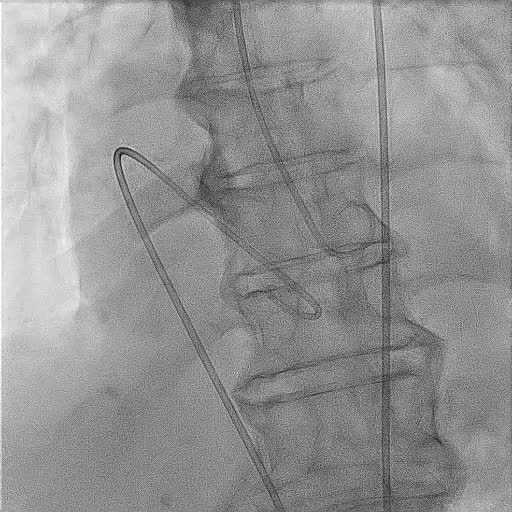
You are asked not to eat for a few hours beforehand and usually take your normal medication. In the catheterisation laboratory a drip is placed and the skin over a vein in the neck, arm or groin is numbed with local anaesthetic. You remain awake, with light sedation if needed. The catheter is passed gently through the vein into the right side of the heart under X-ray guidance while pressures are recorded at each step, and blood samples may be taken to measure oxygen levels. Sometimes you are asked to breathe in a particular way, or a medication is given to see how the pressures respond. It usually takes thirty to sixty minutes and is not painful.
What to expect afterwards
Pressure is applied to the puncture site and you rest for one to a few hours, lying flat if the groin was used, while your pulse and blood pressure are monitored. Most patients go home the same day, although some are kept overnight if a new medication was started. Bruising and tenderness at the puncture site are normal for a few days. Avoid heavy lifting for a day or two, and let us know if the site bleeds, swells quickly or becomes hot and painful. Your cardiologist can usually give you the results the same day.
Possible complications
The test is well tolerated and complications are uncommon. Bruising, bleeding or tenderness at the puncture site is the most frequent. Less often the vein is difficult to enter, an artery is entered by mistake, or a clot or infection develops at the site. Passing the catheter through the heart can cause temporary extra beats or a brief run of fast rhythm, which almost always settles by itself. Rare but serious problems include injury to the heart or a lung artery with bleeding, a collapsed lung when the neck vein is used, or a significant rhythm disturbance. Your cardiologist will explain what these risks mean for you before you consent.
This information does not replace a consultation. Please discuss your own risks and options with your cardiologist.